You have lived with bruxism for a while, and the symptoms are undeniable. Dealing with the grinding and clenching of teeth, in practice, became more complicated than it seems. Because of it, sleep is no longer the same, and in addition, symptoms such as headaches and wear on teeth have become old acquaintances. But will it be like this forever? Can bruxism be cured?
In this post, we will answer the question on the subject and provide you with various treatment options for bruxism. Read on!
But first, what is bruxism?
Bruxism is a functional disorder that is characterized by the grinding or clenching of teeth. It occurs predominantly during sleep, but this habit can also manifest itself during the day. Bruxism can cause wear on the teeth, make them sore or soft, in addition to headaches and bone problems, on the gums and the temporomandibular joint.
Because it is an unconscious, and most of the time, nocturnal act, many people do not know that they have bruxism. Generally, the diagnosis is made by the dentist when dental damage is already noticed or noticed by someone who hears the noise of teeth grinding. Still, there are people who suffer from the consequences of bruxism their entire lives without being aware that they have the disorder.
Although bruxism is not a serious health problem, its consequences can greatly affect those with the disorder. The direct and indirect symptoms are diverse, in addition to interfering greatly in the quality of sleep of those who have it.
So, is bruxism curable?
Can bruxism be cured? Unfortunately, the habit of clenching or grinding the teeth cannot be cured, but can be relieved with available treatments. The idea is to minimize as much as possible the possible impacts that it can cause, such as fractures, periodontal diseases, tooth sensitivity, tooth mobility, and even problems in the temporomandibular joint (TMJ).
Research in dentistry has identified numerous causes that determine the onset of bruxism. Often, they do not occur on their own. In general, it can be either a psychological cause, such as generalized anxiety or a stressful condition or a psychophysical disorder.
In the latter case, the most common causes are various sleep disturbances, malocclusion of the arches, or a disease affecting the nervous system. In some circumstances, even an unhealthy lifestyle can be the cause of bruxism. This can occur following excessive and repeated consumption of tobacco, alcohol, caffeine, or drugs. Therefore, the important thing in treating bruxism is to identify the factors that cause it, and act on them to reduce the symptom.
Below, we give you several types of treatment that will be able to eliminate the harmful effects of bruxism.
1. The occlusal plate
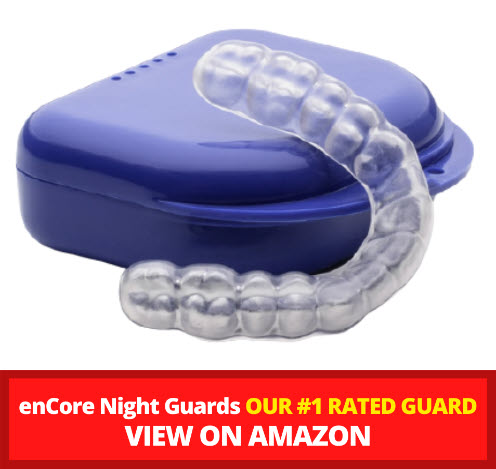
Also known as a “bite splint,” the bite plate is a custom-made thermoplastic device that aims to prevent your upper jaw from directly touching the teeth in your lower jaw. In addition, the bite can protect the teeth from deformation and injury. Of course, the bite plate is a preventive treatment that requires a good period of adaptation. In particular, it is possible to “drool” a lot on the pillow during the first few days.
Regular maintenance of the device is also necessary. The dentist will be able to advise you on how you can adapt to the treatment. However, if you suffer from sleep apnea, the bite plate is not recommended at all.
2. Drug therapy
In addition to the bite, some research has highlighted the effectiveness of certain drugs in relieving the symptoms of bruxism. However, their real usefulness depends on each situation. For example, anti-inflammatory drugs can be used to reduce pain or inflammation caused by muscle tension. For some people, muscle relaxants may also be effective, to be taken at night before going to sleep in order to prevent these tensions.
However, it should be noted that all drug therapies must be prescribed by your doctor based on the specific situation and following his instructions (1).
3. Relaxation techniques
Although it is not caused exclusively by emotional issues, bruxism is almost always associated with them, being aggravated by physical or psychological stress. Therefore, it is worth investing in muscle relaxation techniques, such as exercises, massage, and hot compresses. Thanks to relaxation exercises performed before sleep, you can reduce the intensity of bruxism somewhat.
4. Correction of the bite
If, after examination, it became clear that the cause of the grinding was a pathologically altered bite, then the main efforts are directed to its correction. Braces or other orthodontic structures are placed. Such treatment takes time and in the first weeks may be accompanied by discomfort in the teeth, but it is necessary to preserve them.
5. Dental balancing
Sometimes the dentist will opt for an intervention so that the teeth close together better. To do this, he will proceed to a micro-grinding (filing) on the surface of your rear teeth in order to stabilize them and make them more functional. The procedure takes a few minutes in the clinic. However, this option will only be chosen if you are not experiencing any joint pain.
6. Decrease in psychoactive substances
Consuming a large amount of caffeine or energy drinks can end up over-stimulating your nervous system, which in turn leads to stiff jaws. So, better to find new, healthier ways to activate the body and mind. Also, it is also very important to try to improve your lifestyle by reducing the consumption of alcohol, avoiding both smoking and drugs.
Conclusion
As you can see, despite the lack of a cure, this parafunction can be prevented in several proven ways. Bruxism can thus be reduced, but never completely stopped. The effects are thus combated rather than the condition.
Don’t wait for bruxism to wear out your teeth prematurely. The best way to identify the problem is to visit the dentist regularly. From the clinical examination, the doctor can detect the problem in order to prevent further damage to the teeth. Having a dental plan is the best way to ensure regular appointments and keep oral health up to date.