Bruxism is quite a common condition that many people suffer from and in some extreme cases, if the symptoms are ignored and the condition is left untreated, it may get even worse, followed by negative consequences. In this article, we’ll be talking about the definition of bruxism, the types of it as well as all the other information you should know about.
Bruxism Definition And Types Of It
Bruxism is the condition in which a person clenches, gnashes, or grinds their teeth. Some people who have bruxism can unconsciously clench or grind their teeth while they are awake, the condition known as awake bruxism, or unconsciously clench or grind their teeth while they are sleeping, the condition called sleep bruxism. It’s important to mention that sleep bruxism is considered a sleep-related movement disorder and those individuals who grind or clench their teeth (brux) while they are sleeping are much more likely to have some other sleep disorders like snoring or pauses in breathing known as sleep apnea.
Mild bruxism doesn’t typically require treatment, but in some individuals, this condition can be frequent as well as severe enough to cause headaches, jaw disorders, damaged teeth, and some other problems. Because it is possible to have sleep bruxism and remain unaware of it until the condition becomes severe, it is of crucial importance to know all the symptoms and signs of it and also regularly seek dental care (1).
Another thing you should know about is that bruxism has also been associated with specific medical conditions which include: ADHD or Attention-deficit/hyperactivity disorder, epilepsy, night terrors, dementia, GERD or gastroesophageal reflux disorder, sleep apnea as well as other sleep-related disorders, and Parkinson’s disease.
Symptoms And Signs
In most cases, bruxism isn’t severe or harmful enough to cause any major issues, and symptoms may range from individual to individual depending on whether they have sleep bruxism or awake bruxism. Symptoms can include:
- Chewed places on a cheek or tongue
- Aching jaw muscles
- Damaged teeth (loose teeth, worn enamel, chip fractures, flattened tops)
- Disruption to sleep because of waking up from a sound of grinding
- Headaches, which can include tension headaches caused by day grinding as well as morning headaches caused by nighttime bruxism
- Earaches (with no apparent symptoms of the ear infection or ear problems in general)
- Neck soreness or pain
- Facial pain that is severe
- Teeth are sensitive to pressure, cold, or heat
- TMJ or temporomandibular joint disorder
Possible Complications
Complications of severe bruxism can lead to:
- Tension-type headaches
- Damage to the teeth, crowns, jaw, or restorations.
- An unbearable jaw or facial pain
- Disorders that usually occur in a temporomandibular joint located in front of the ears (it can sound like clicking while you open as well as close your mouth)
Diagnosis
It’s oftentimes the partner or parent who notices the symptoms of this condition in their loved one while they are grinding their teeth as they sleep. Bruxism is usually diagnosed during the dental exam; a dentist will check for any broken or worn teeth, jaw muscle tenderness, TMJ, and damage to the inside of the cheeks. Your dentist can also take the X-ray for determining if there is any damage to underlying bone tissue. Considering that this condition is associated with an increased risk of sleep apnea, chances are high that you’ll need to undergo the sleep study for evaluating teeth grinding episodes as well as determining if there’s any sleep-related disorder present.
Therapy
When anxiety or chronic stress is the cause of teeth grinding, seeing a therapist can be helpful. After you’ve handled all the problems that were the causes of the emotional distress, your sleep bruxism will be reduced or completely eliminated. Counseling helps with relaxation techniques and sleep habit modifications as well. In case other options won’t be helpful to you, then you can try biofeedback, which is the method using monitoring procedures as well as equipment for teaching you to efficiently control muscle activity in the jaw.
Splint Therapy And Mouthguards
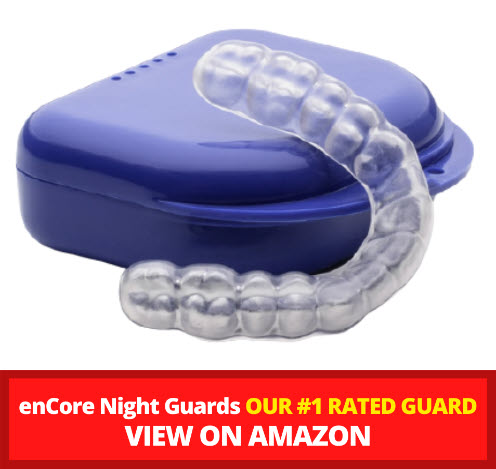
If you grind teeth at night, then the mouthguard or occlusal splint can be helpful. Certain guards fit over bottom teeth while other ones fit over top teeth. They can be designed for keeping the jaw in a relaxed position.
Medications
There have been many different medications tried to treat bruxism, but the data for the efficiency of such medications remains limited. However, there’s evidence that specific medications can help in managing bruxism. Botox injections and muscle relaxants have shown good results as the temporary antidotes for bruxism when it is not caused by the underlying condition or medication. If the cause of a person’s bruxism is medication, then the doctor can consider putting them on different medications or changing their dose.
Coping
If this condition is causing you pain, then keep the following tips in mind:
- Don’t chew gum because it can make the pain worse
- Don’t eat hard candies, steak, nuts, and any other food that is difficult to chew
- Relax a face throughout the whole day and try self-massage
- Feel for quite small, painful nodules known as trigger points that may cause pain throughout the face and head
- Manage your stress. Try taking a bubble bath, listening to your favorite song, or going for a walk
- Learn relaxation exercises like deep breathing, mindfulness, or meditation
- Change your behaviors. You can discuss the best techniques for practicing proper jaw and mouth positioning with the dentist.
- If you grind while sleeping, avoid consuming beverages or foods that contain caffeine before you go to bed. Smoking, as well as alcohol in the evening, may make bruxism worse as well
- Consistently practice good sleep hygiene
When You Should See A Doctor
Have a consultation with your doctor or dentist if you experience any of the above-mentioned symptoms or have some other concerns about the jaw or teeth. Also, if you ever notice that your own child is grinding their teeth or displays other symptoms of this condition, make sure to mention it during the next dental appointment of your child.